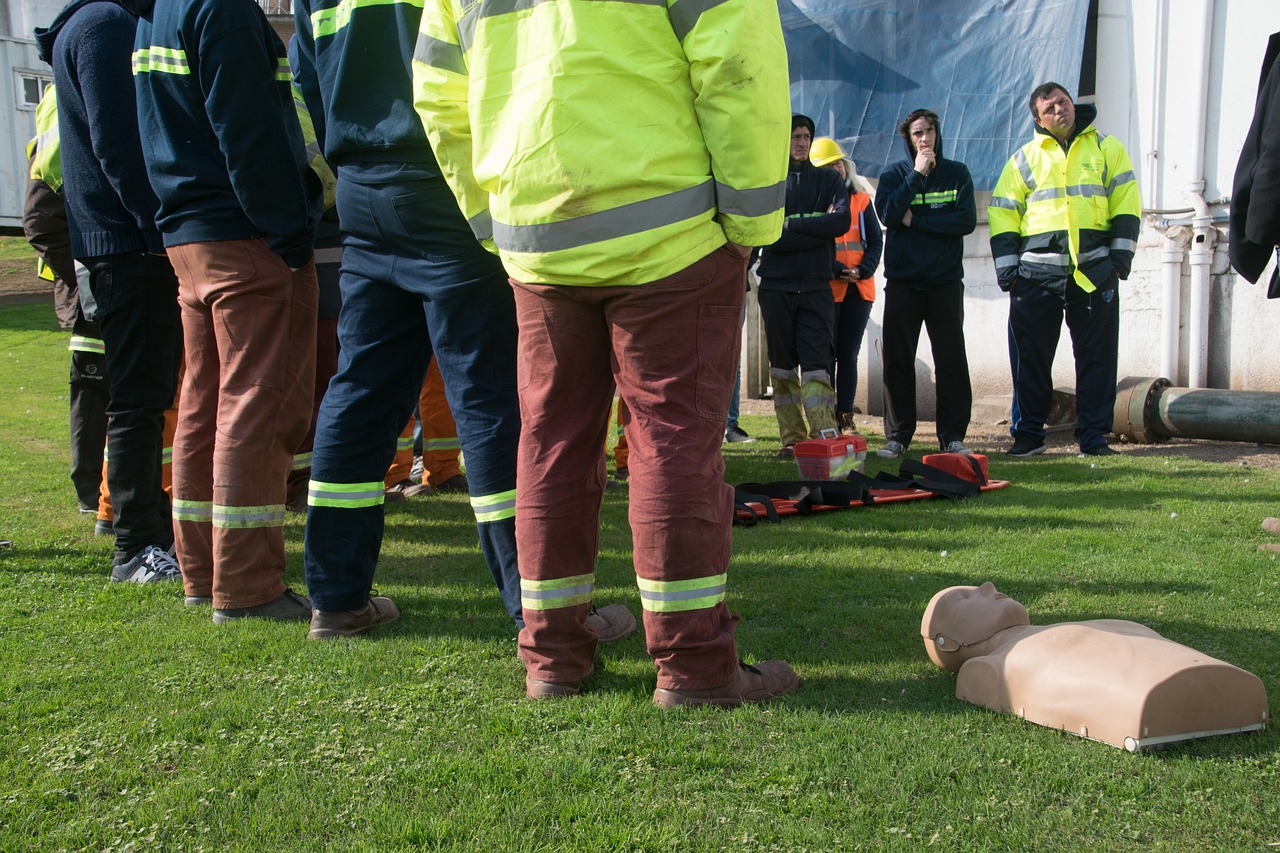
Stop the Bleed

Because waiting for EMS to arrive is not a treatment plan. In a severe bleed, every second counts. Stop the Bleed gives employees the skills to bridge the gap between "oh #%*^" and "Relief doesn't even begin to cover it".

STOP THE BLEED -- PUBLIC

The Stop the Bleed course is a life-saving training program designed to teach the public how to recognize, control, and treat severe bleeding in emergency situations. Developed to empower bystanders to take action, this course provides hands-on training in bleeding control techniques that can save lives before emergency responders arrive.
LEARN MORE

STOP THE BLEED -- INDUSTRY

The Stop the Bleed course is a life-saving training program designed to teach the public how to recognize, control, and treat severe bleeding in emergency situations. Developed to empower bystanders to take action, this course provides hands-on training in bleeding control techniques that can save lives before emergency responders arrive.
LEARN MORE coming soon

STOP THE BLEED -- INSTRUCTOR

The Stop the Bleed Instructor Course is designed for individuals who want to teach life-saving techniques to others in their communities, workplaces, or organizations. By becoming a Stop the Bleed instructor, you’ll gain the skills and knowledge needed to train others to control bleeding in emergency situations, potentially saving lives during traumatic events.
LEARN MORE

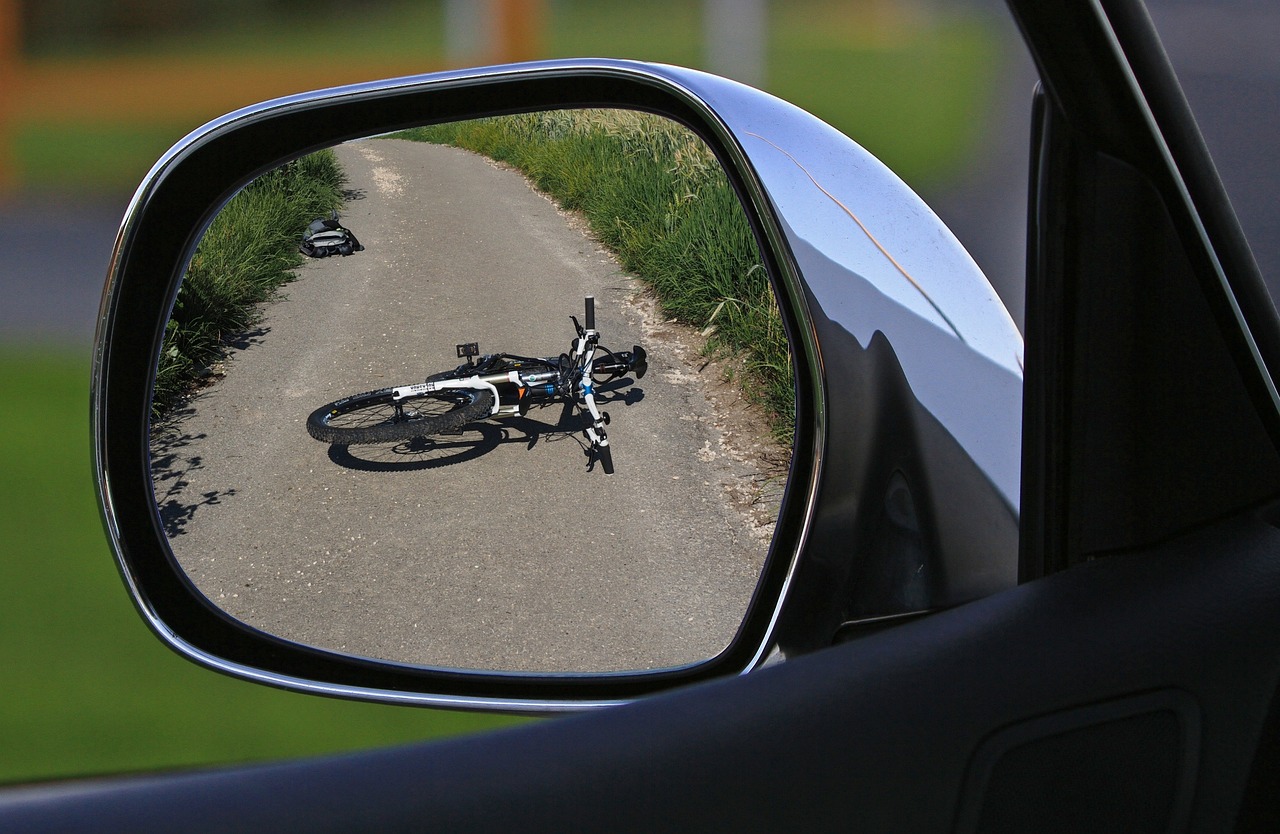

STOP THE BLEED -- INDUSTRY

The Stop the Bleed course is a life-saving training program designed to teach professionals such as Emergency Response Team members how to recognize, control, and treat severe bleeding in emergency situations common to their workplace. This course provides extensive hands-on training in bleeding control techniques and additional knowledge that can save lives during a response.
LEARN MORE

STOP THE BLEED -- INSTRUCTOR

Are you a medical or emergency medical professional? You have the opportunity to join other Saskatchewan medical professionals in providing this course to other professionals, industry, and the public to improve patient outcomes.
LEARN MORE
linkedin facebook pinterest youtube rss twitter instagram facebook-blank rss-blank linkedin-blank pinterest youtube twitter instagram